

Why Basement Flooding Requires Immediate Action
A flooded basement is one of those problems that can go from manageable to overwhelming very quickly. Whether the water came from a heavy storm, a burst pipe, a failed water heater, or a sewer backup, acting quickly can help limit damage and reduce the chances of mold growth.
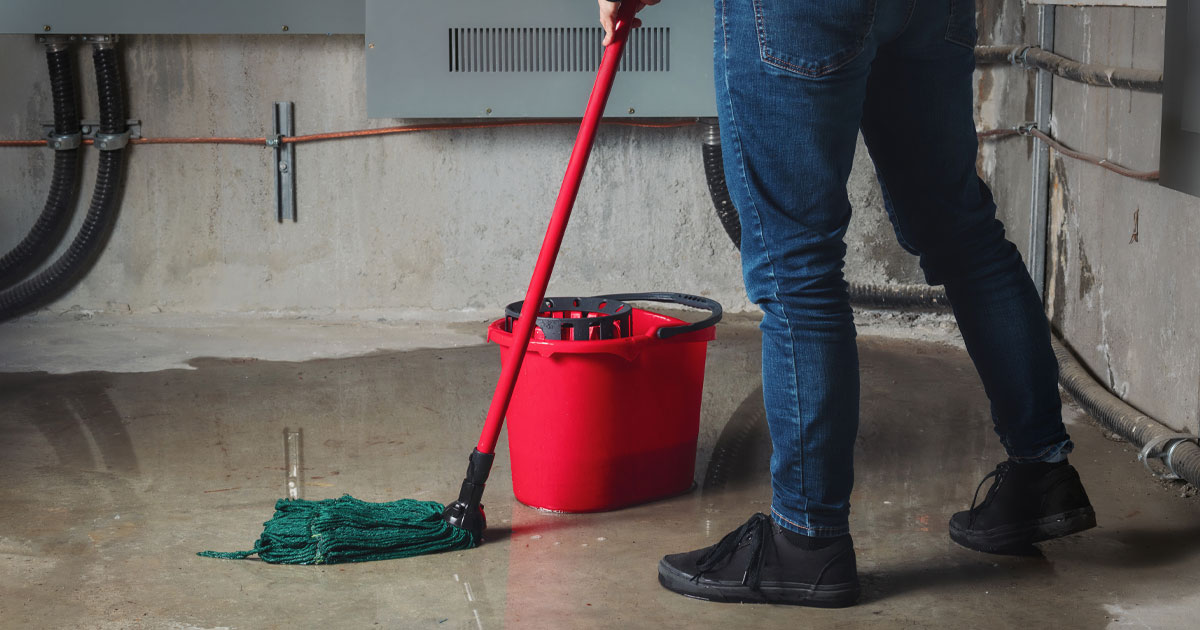
Many homeowners aren’t sure what to do when your basement floods. The first instinct is usually to grab a mop, start moving belongings, and deal with the mess as quickly as possible. While clean-up is important, some safety concerns should be addressed first.
Floodwater can cause more damage than most people realize. Moisture will often work its way into drywall, insulation, flooring, and other materials where it may not be immediately noticeable. The longer those materials stay wet, the greater the chance of permanent damage and mold growth.
The good news is that taking the right steps early can help protect your home, your belongings, and your indoor air quality.
Make Sure the Area Is Safe Before Going Downstairs
Before entering a flooded basement, take a moment to look at the situation from a safe distance.
Take a look at what’s actually in the basement before heading down. If you see standing water around outlets, appliances, power strips, or your electrical panel, don’t assume it’s safe just because the water looks shallow. A few inches of water can create serious hazards when electricity is involved.
When in doubt, wait for a qualified professional to inspect the area before entering.
Find Out Where the Water Is Coming From
Once you’ve determined it’s safe to do so, try to identify what caused the flooding. The source of the water can affect everything from the cleanup process to what materials may need to be removed and replaced.
Some of the most common causes of basement flooding include:
- Heavy rain and groundwater intrusion
- Burst or leaking pipes
- Water heater failures
- Washing machine or appliance leaks
- Sump pump failures
- Sewer backups
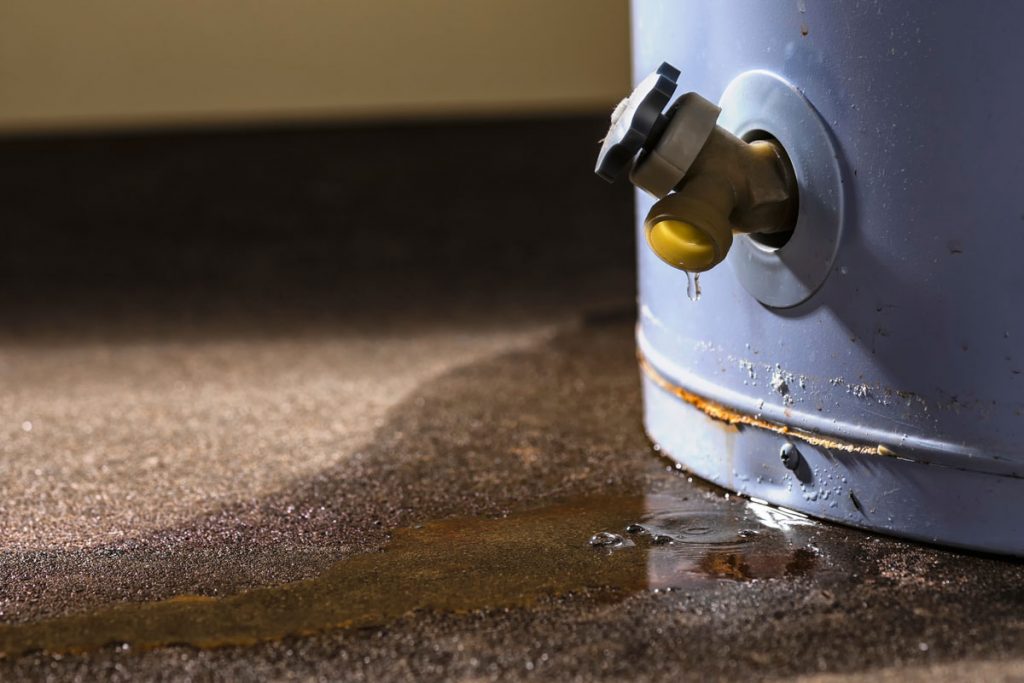
A basement that flooded due to a broken supply line is very different from one that flooded from a sewer backup. In some cases, the water may contain contaminants that require specialized cleaning and disinfection.
If the source of the flooding isn’t obvious, look for signs such as active leaks, overflowing fixtures, foundation seepage, or water entering through windows and exterior walls. Stopping the source of the water as quickly as possible can help prevent further damage and make cleanup more manageable.
Take Photos Before You Start Cleaning Up
Before you start moving items, removing water, or throwing anything away, take photos and videos of the flooded basement. This can be helpful if you need to file an insurance claim or explain the extent of the damage to a cleanup company.
Try to document the water level, damaged flooring, wet drywall, affected furniture, appliances, stored items, and any visible signs of where the water entered. If boxes or personal belongings are sitting directly on the floor, take photos of them before moving them.
You do not need to make the situation look worse than it is, but you do want a clear record of the damage before cleanup begins. Once water is removed and damaged materials are taken out, it can be harder to show what happened.
Remove Standing Water as Quickly as Possible
Once the source of the flooding has been addressed and you’ve documented the damage, the next priority is removing any standing water. The longer water sits in a basement, the more opportunity it has to soak into building materials and create additional damage.
Homeowners often focus only on the water they can see. Even after most of the standing water has been removed, moisture can remain trapped in flooring, drywall, insulation, and stored contents. That’s why larger flooding events often require more than simply pumping the water out.
Water has a way of reaching places that aren’t immediately obvious. The moisture left behind is often what causes the biggest problems in the days and weeks that follow.

How Fast Does Mold Grow After a Basement Flood?
One of the biggest concerns after a flooded basement is mold growth. Many homeowners assume they have several days to address the problem, but moisture can create favorable conditions for mold much sooner than most realize.
In many cases, mold growth can begin within 24 to 48 hours after a flooding event, especially when moisture becomes trapped in porous materials.
Areas Most Likely to Develop Mold
- Drywall and sheetrock
- Insulation inside walls
- Carpet and carpet padding
- Wood framing
- Ceiling materials
- Cardboard storage boxes
- Upholstered furniture
- Stored fabrics and clothing
Signs Moisture May Still Be Present
- Musty or damp odors
- Condensation on surfaces
- Discoloration on walls or ceilings
- Soft or swollen drywall
- Warped flooring
- Persistent humidity
- Damp carpeting or padding
- Visible mold spots
One challenge with a flooded basement is that the damage isn’t always obvious right away. Materials that seem fine immediately after the flood can begin showing signs of moisture days later, especially if water worked its way behind walls or into porous materials.
Don't Wait for Mold to Become the Next Problem
Water damage can continue long after the standing water is gone. Post Green Cleaning helps homeowners address hidden moisture, contaminated materials, and post-flood cleanup before bigger issues develop.
What Can Be Saved After a Basement Flood?
One of the first questions homeowners ask after a basement flood is whether their belongings can be saved. The answer depends on how much water entered the space, how long everything stayed wet, and whether the water was clean or contaminated.
Hard surfaces are usually easier to clean and disinfect. Plastic bins, metal shelving, glass, and sealed items are very different from carpet, drywall, insulation, or upholstered furniture that can absorb water quickly.
If you’re still deciding what to do when your basement floods, evaluating which materials can realistically be saved and which should be replaced is often one of the most important parts of the cleanup process.
If something is valuable, sentimental, or difficult to replace, have it looked at before throwing it away. If it was heavily soaked, contaminated, or already starting to smell, replacement may be the safer choice.
Common Mistakes That Homeowners Make After a Basement Flood
When you’re focused on getting the water out and getting life back to normal, a few important details can slip through the cracks. Unfortunately, some of those small decisions can make the recovery process more difficult than it needs to be.
Waiting Too Long to Start Cleanup
Water damage gets worse with time. Delaying cleanup can increase the likelihood of mold growth, odors, and permanent damage to building materials.
Ignoring Musty Odors
A persistent musty smell is often a sign that moisture is still present somewhere in the basement. Odors should not be ignored simply because the space looks clean.
Forgetting About Prevention
Once the immediate cleanup is complete, it's worth taking time to understand what caused the flooding and whether steps can be taken to reduce the risk of it happening again.
Trying to Save Every Wet Item
Some materials can be cleaned and restored, while others may continue causing problems even after they appear dry. Knowing when to replace damaged materials is an important part of the recovery process.
Assuming Everything Is Dry Because the Floor Is Dry
Standing water is only part of the problem. Moisture can remain inside walls, flooring systems, and stored contents long after the visible water has disappeared.
Why Some Basements Flood More Than Once
You may think that basement flooding is a one-time event caused by an unusually heavy storm or an unexpected plumbing failure. In reality, repeat flooding is fairly common when the underlying cause is never fully addressed.
Sometimes signs appear before a major flood. A small damp spot after heavy rain, water stains near a wall, or a basement that always feels humid can all indicate that water is finding its way inside. Those smaller issues are easy to ignore until a larger storm turns them into a bigger problem.
Taking time to understand why the flooding happened can help reduce the likelihood of having to repeat the cleanup.
When to Call a Professional Basement Flood Cleanup Company
Some flooded basements can be handled with basic cleanup efforts, while more severe situations may require emergency basement flood cleanup to prevent additional water damage.
Sewer backups, significant standing water, recurring flooding, and situations involving extensive basement flood damage are often best left to experienced professionals. These situations may require specialized equipment, proper disinfection procedures, and a more thorough drying process.

Many homeowners begin looking for a basement water cleanup company when the scope of the damage becomes difficult to manage on their own. The sooner a flooded basement is evaluated, the easier it is to limit additional damage and begin the recovery process.
At Post Green Cleaning, our team provides professional basement water damage cleanup and basement flood cleanup services designed to address not only the visible effects of flooding, but also the dust, residue, odors, and air quality concerns that often remain afterward. Using detailed cleaning methods and HEPA-equipped equipment, we help restore basements to a clean, safe, and usable condition.
Need Help Cleaning Up After a Basement Flood?
Whether you’re dealing with a recent flood, water damage, or concerns about mold growth, Post Green Cleaning can help restore your basement safely and thoroughly. Our team provides professional basement flood clean up services throughout NYC, Long Island, Westchester, and Northern New Jersey.
Frequently Asked Questions
What is the first thing to do when a basement floods?
The first thing to do when a basement floods is make sure the area is safe before entering. Standing water can create electrical hazards, especially if outlets, appliances, or electrical panels are nearby. Once safety has been addressed, identify the source of the flooding and take steps to stop additional water from entering the basement.
Basement flooded what to do after the water is removed?
If your basement flooded, what to do after the standing water is gone depends on the extent of the damage. Wet materials should be evaluated, the area should be thoroughly dried, and the basement should be monitored for signs of mold growth, odors, or lingering moisture.
Can a flooded basement cause mold?
Yes. A flooded basement can create ideal conditions for mold growth if materials remain wet. Drywall, insulation, carpeting, wood framing, and stored contents can all retain moisture, allowing mold to develop if the area is not cleaned and dried properly.
How fast does mold grow after a basement flood?
Mold can begin growing within 24 to 48 hours after a flooding event. The exact timeline depends on temperature, humidity, and the materials affected. Fast action is important to reduce the risk of mold contamination and additional damage.
Is it safe to stay in a house with a flooded basement?
In many cases, yes, but it depends on the severity of the flooding. If there are electrical hazards, sewage contamination, structural concerns, or significant mold growth, it may be safest to leave the affected area until it has been properly evaluated and cleaned.
Who should I call for basement flood cleanup?
If you’re dealing with extensive water damage, contaminated water, or recurring flooding, contact a professional basement flood cleanup company. A qualified team can help with water removal, cleaning, drying, and restoring the affected space.
What do I do immediately after a basement flood?
If you’re wondering what to do if basement floods occur unexpectedly, start by making sure the area is safe, identifying the source of the water, documenting the damage, and removing standing water as quickly as possible. Many homeowners searching for water in basement what to do are dealing with the same situation. The sooner cleanup begins, the lower the risk of long-term damage.
Will a flooded basement dry on its own?
A flooded basement may eventually dry on its own, but that doesn’t mean it will dry properly. Moisture can remain trapped inside walls, flooring, insulation, and stored materials long after surfaces appear dry. Proper drying and ventilation are important for preventing future problems.
How do I prevent mold in my basement after flooding?
To help prevent mold after a flood, remove standing water quickly, dry affected materials thoroughly, improve airflow, and monitor the area for signs of lingering moisture. Any materials that cannot be properly dried may need to be removed and replaced.
What are the dangers of a flooded basement?
A flooded basement can create electrical hazards, damage building materials, ruin personal belongings, encourage mold growth, and affect indoor air quality. Contaminated floodwater can also introduce bacteria and other health concerns.
How long does it take to unflood a basement?
The time required depends on the amount of water, the size of the basement, and the extent of the damage. Some smaller flooding events can be addressed within a day, while larger projects may require several days of water removal, drying, cleaning, and restoration work.
Basement flooding what to do if it keeps happening?
When dealing with recurring basement flooding what to do often depends on the cause. Repeated flooding may indicate drainage issues, foundation problems, sump pump failures, or plumbing concerns that should be investigated before another flooding event occurs.
How do I find help for a flooded basement near me?
If you’re searching for flooded basement near me, look for a company with experience handling water damage, flood cleanup, drying, and restoration services. Fast response times can make a significant difference when dealing with a flooded basement, especially when moisture and contamination concerns are involved.
Post Green Cleaning provides professional basement flood cleanup services throughout NYC, Long Island, Westchester, and Northern New Jersey. Our team specializes in detailed post-flood cleaning, HEPA vacuuming, odor removal, and preparing affected spaces for safe occupancy.
Flooded Basement? Don't Wait for the Damage to Get Worse
Water damage can continue long after the standing water is gone. If you’re dealing with a flooded basement, moisture concerns, or post-flood cleanup, Post Green Cleaning is here to help. Professional basement flood cleanup, drying, and restoration services available throughout NYC, Long Island, Westchester, and Northern New Jersey.