
Indoor Air Quality After Flood Damage
Flood damage is often associated with standing water, damaged materials, and the cleanup that follows. What many property owners do not realize is that flooding can also have a significant impact on the air inside the property long after the visible water has been removed.
Whether the flooding occurred in a basement, apartment, home, or commercial building, moisture could create conditions that affect indoor air quality after flood damage. Airborne particles, dust, debris, odors, and even mold spores may remain after cleaning up.
The good news is that there are steps property owners can take to boost air quality and help create a cleaner indoor environment.
Understanding what happens after a flood and how professional cleaning and filtration services can help is an important part of the recovery process.
How Flood Damage Affects Indoor Air Quality
When water enters a property, it rarely affects only the surfaces you can see. Moisture can infiltrate drywall, insulation, flooring materials, framing, contents, and other building materials.
As materials become wet, the overall flood damage indoor air quality conditions inside the property can change. Increased humidity, disturbed materials, demolition work, and the cleanup process itself could all contribute to the spread of airborne contaminants.
Many people notice concerns with air quality after basement flooding because basements often have limited ventilation and can retain moisture longer than other areas of the property.
If your basement has recently flooded, our guide on what to do when your basement floods covers important first steps to help limit damage and reduce long-term air quality concerns.
Common Airborne Contaminants After a Flood
Flood recovery projects regularly involve a combination of water removal, drying, demolition, restoration, and cleaning. Over the course of this process, various contaminants can become airborne, including:
- Mold spores and allergens
- Dust and fine debris
- Bacteria from contaminated water sources
- Construction dust from demolition and repairs
- Particles trapped within damaged materials
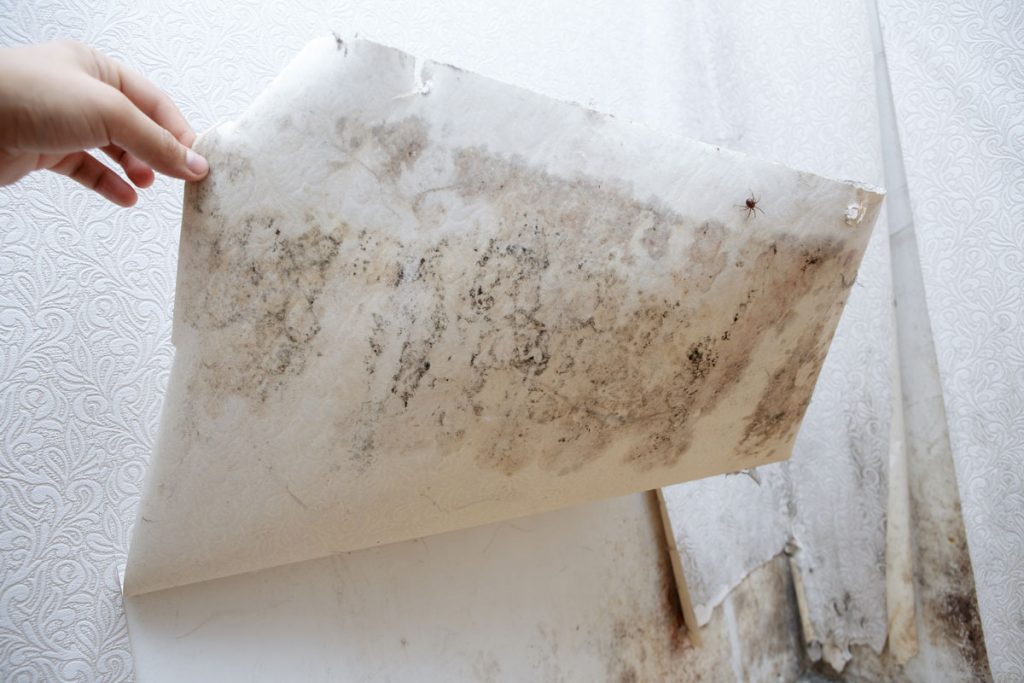
One concern many property owners have is the presence of mold spores after flood cleanup. Even after damaged materials are removed, microscopic particles can remain suspended in the air or settle throughout the property.
Why Air Quality Can Remain Poor Even After Flood Cleanup
Many people think that once the water is gone, the problem is solved. Some of the biggest air quality issues occur during cleanup and rebuilding.
As damaged drywall, insulation, flooring, and other materials are removed, fine particles can be released into the air. Contractors could be cutting, sanding, tearing out materials, and moving debris through the property. Even when the work is done properly, those activities can stir up dust and contaminants that spread beyond the original flood area.
In our experience, it is common for property owners to focus on what they can see while overlooking what may still be circulating through the air. A basement, apartment, or office may look clean after repairs are completed, but fine dust, debris, and other airborne particles can continue settling on surfaces for days or even weeks afterward.
That is why many restoration and remediation projects include some form of post flood air treatment, such as HEPA air scrubbing, detailed cleaning, or air purification. These services help address airborne contaminants that standard cleanup activities may leave behind.
How HEPA Air Scrubbers Help After Flood Damage
One of the most effective tools used during flood recovery and restoration projects is the HEPA air scrubber.
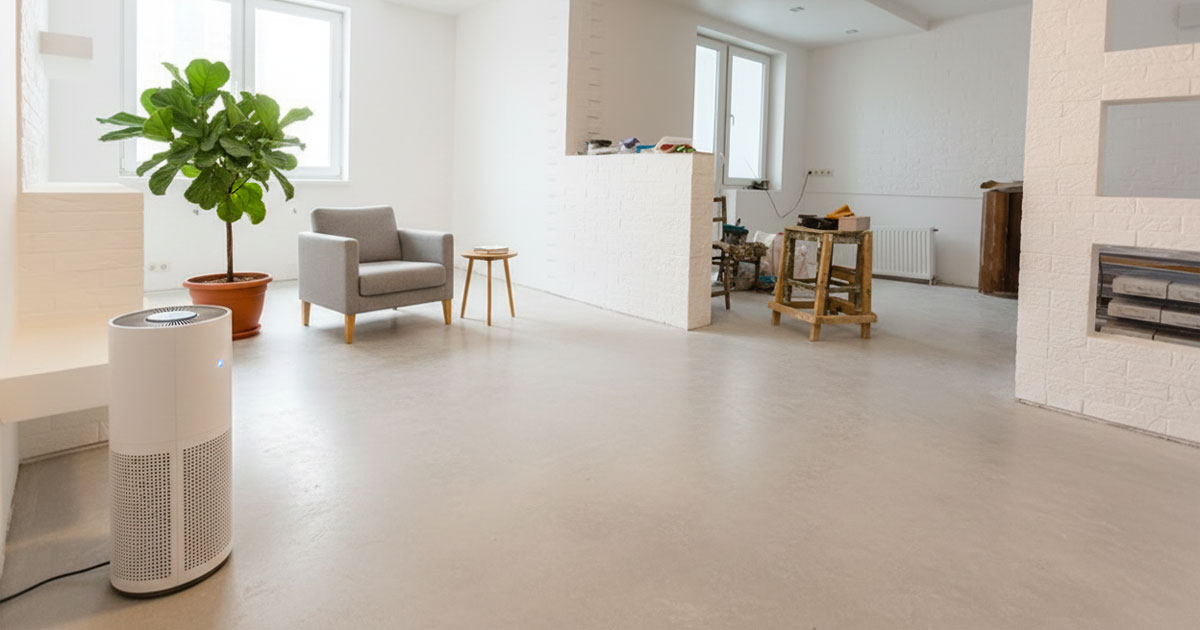
A HEPA air scrubber flood restoration setup continuously pulls air through a series of filters designed to capture airborne particles. As air circulates through the machine, contaminants are trapped within the filtration system rather than remaining suspended in the environment.
Professional air scrubbing after flood damage is commonly used during:
- Flood recovery projects
- Mold remediation projects
- Post-restoration cleaning
- Construction and renovation cleanup
- Indoor air quality improvement projects
Air scrubbers can operate continuously throughout the cleaning process to help reduce airborne particulate levels while work is being performed.

What HEPA Filtration Captures
HEPA filtration is designed to capture extremely small airborne particles that may otherwise continue circulating throughout a property. During flood recovery and restoration projects, HEPA filtration is commonly used to help reduce fine dust, mold spores, construction debris, drywall dust, allergens, and other particulate matter that can become airborne during cleanup and repairs.
Many property owners ask whether HEPA filtration removes mold spores after a flood. Understanding how HEPA filtration works is important when evaluating recovery options after water damage.
While no single piece of equipment solves every air quality concern, HEPA filtration is widely used in comprehensive cleaning and remediation projects because of its ability to capture extremely small airborne particles.
Need Professional Air Scrubbing After Flood Damage?
HEPA air scrubbers can help reduce airborne dust, debris, and other contaminants during flood recovery. Learn how our air purification and air scrubbing services support cleaner indoor environments.
Air Purification After Water Damage
Flood recovery often focuses on drying and rebuilding damaged areas, but air quality should also be considered as part of the process.
Air purification after water damage can improve indoor environmental conditions by reducing airborne contaminants that may persist after cleanup. Unlike standard cleaning, air purification focuses specifically on the air itself.
This may involve:
- HEPA air scrubbers
- Air filtration systems
- Air circulation improvements
- Indoor air quality evaluations

For properties that have undergone extensive repairs, restoration, or remediation, air purification can be an additional step toward occupancy readiness.
How to Improve Air Quality After a Flood
Many property owners want to know how to improve air quality after flood events. While every project is different, several steps can help support a cleaner indoor environment.
Remove Wet and Damaged Materials
Materials that cannot be properly dried should be removed as quickly as possible to reduce moisture concerns. Property owners should also review EPA mold cleanup recommendations when evaluating flood-related damage.
Ensure Proper Drying
Drying is one of the most important parts of flood recovery. Moisture that remains trapped inside materials can continue affecting indoor conditions long after the visible water is gone.
Perform Detailed Cleaning
Flood recovery will often leave behind dust, debris, and contaminants that require more than basic housekeeping. Detailed cleaning helps remove particles from surfaces throughout the property.
Use HEPA Filtration
HEPA air scrubbers and HEPA vacuums are commonly used during flood restoration to capture fine airborne particles and remove settled dust. These tools help improve indoor air quality while reducing the spread of contaminants throughout the property.
Address Hidden Dust Sources
Dust can settle in overlooked areas such as vents, baseboards, light fixtures, and storage spaces. A thorough cleaning helps remove particles that may continue circulating throughout the property.
When Air Quality Testing May Be Worth Considering
Most flood recovery projects focus first on drying, cleaning, and restoring the affected space. However, there are situations where air quality testing may provide additional information.
Properties that have sustained considerable flood damage, mold remediation, demolition, or restoration work may benefit from additional evaluation before re-occupancy.
For some property owners, indoor air quality flood restoration NYC concerns develop when occupants continue noticing dust, odors, irritation, or air quality issues after cleanup appears complete.
Air Quality Testing vs. Air Cleaning
Air quality testing and air cleaning serve different purposes.
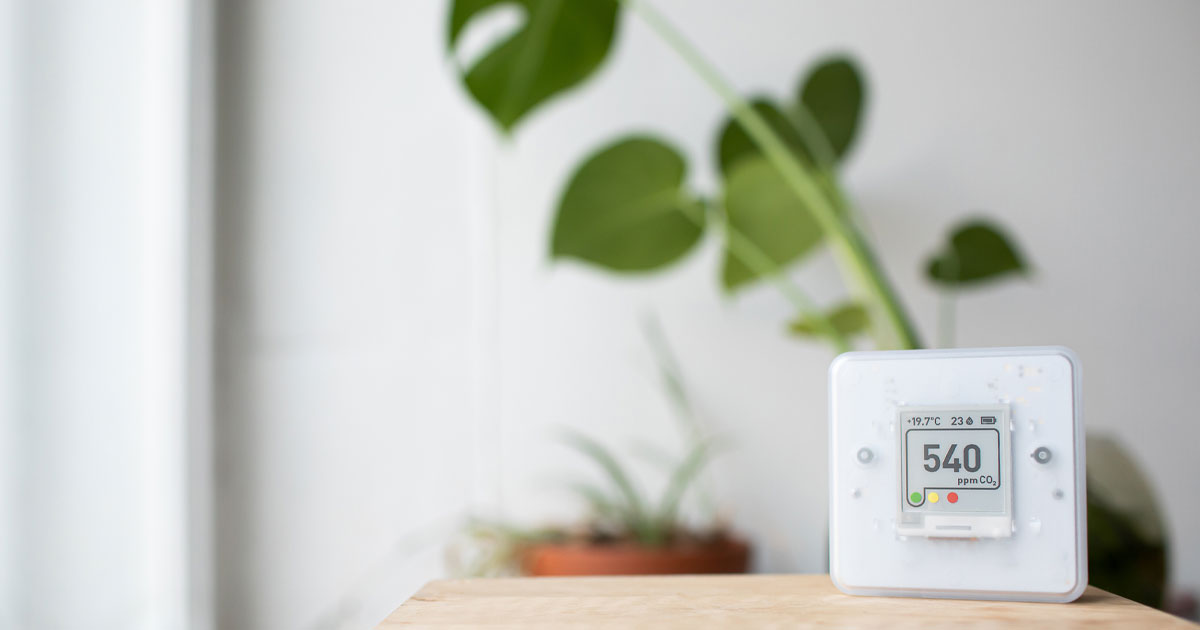
Air Quality Testing
Answers the question: “What is in the air?”
- Measures airborne conditions
- Identifies potential concerns
- Helps verify environmental conditions
- Useful when questions remain after cleanup
Air Cleaning
Answers the question: “How do we improve the air?”
- HEPA air scrubbing
- HEPA vacuuming
- Air purification
- Detailed cleaning of surfaces affected by airborne contaminants
In some situations, testing is used to verify conditions after cleaning has already been completed. In others, testing helps determine whether additional cleaning or filtration may be beneficial.
Professional Air Cleaning Services After Basement Flooding
After a flood, many property owners focus on removing water and replacing damaged materials. However, restoring a property regularly involves more than structural repairs.
Improving basement flood cleanup air quality may require a combination of cleaning, filtration, and air treatment services.
Professional air cleaning services commonly include:
- HEPA vacuuming
- Detailed surface cleaning
- Air scrubbing
- Air purification
- Dust remediation
- Post-restoration cleaning

At Post Green Cleaning, these services are commonly used to help address airborne particles and dust that may remain after restoration, renovation, remediation, and flood recovery projects.
Signs Your Indoor Air Quality May Still Be Affected After a Flood
Even after repairs are complete, there may still be signs that indoor air quality problems continue.
Some typical indicators include:
- Persistent musty odors
- Visible dust accumulation
- Ongoing allergy-like symptoms
- Recent mold remediation work
- Air that feels stale or stuffy
- Concerns following major demolition or restoration projects

These signs do not necessarily indicate a serious issue, but they may suggest that additional cleaning, filtration, or evaluation could be worthwhile.
Indoor Air Quality After Flood Damage in NYC
Flood-related air quality concerns can be especially challenging in New York City properties.
Older buildings, finished basements, apartment buildings, and tightly enclosed living spaces often pose unique environmental issues after water intrusion events.
Many property owners dealing with indoor air quality flood restoration NYC concerns focus not only on restoring the property itself but also on creating a cleaner environment before returning occupants to the space.
Services such as HEPA cleaning, air scrubbing, air purification, and indoor air quality testing can all play a role depending on the property’s specific needs.
Need Help Improving Indoor Air Quality After Flood Damage in NYC?
Post Green Cleaning provides HEPA cleaning, air purification, air scrubbing, and indoor air quality testing services for homes, apartments, and commercial properties throughout NYC.
Creating a Healthier Indoor Environment After Flood Damage
Flood recovery does not end when the water is removed, or the repairs are finished. Airborne contaminants can remain inside a property long after the visible signs of damage are gone, especially when demolition, drying equipment, and restoration work have disturbed dust, debris, and other microscopic particles.
Understanding the connection between indoor air quality after flood damage and the overall recovery process can help property owners make better decisions about cleaning and occupancy readiness. While every project is different, professional HEPA vacuuming, air scrubbing, detailed cleaning, and air purification after water damage can all play an important role in improving indoor environmental conditions.
For properties where air quality is still a concern, additional services such as indoor air quality testing can aid in identifying potential issues and bring peace of mind before occupants return to the space. The goal is not simply to repair what was damaged, but to create a cleaner, healthier environment moving forward.
Frequently Asked Questions
How does flood damage affect indoor air quality?
Flood damage can affect indoor air quality in several ways. Excess moisture creates conditions that may support mold growth, while cleanup and demolition activities can release dust, debris, and other particles into the air. Even after visible water is removed, airborne contaminants may continue circulating throughout the property or settle onto surfaces, making proper cleaning and filtration an important part of the recovery process.
How long does it take for air quality to return to normal after a flood?
There is no single timeline because every flood situation is different. The amount of water involved, how quickly drying begins, the extent of demolition work, and the cleaning methods used all influence recovery time. In some cases, air quality may improve within days, while larger projects involving considerable repairs or remediation may take several weeks before conditions fully stabilize.
Do I need an air scrubber after basement flooding?
Not every flooded basement requires an air scrubber, but they are commonly used when there is significant moisture damage, demolition work, mold concerns, or large amounts of dust and debris. HEPA air scrubbers continuously filter the air and can help reduce airborne particles during cleanup and restoration activities. A professional assessment can help determine whether air scrubbing is appropriate for your specific situation.
What airborne contaminants are left after flood damage restoration?
The types of contaminants present vary by project, but common examples include mold spores, dust, allergens, drywall particles, insulation fibers, and debris generated during demolition and repairs. If the flooding involved contaminated water, bacteria and other biological contaminants may also be a concern. This is one reason why professional cleaning and air filtration are often included as part of the recovery process.
When should I test air quality after flood cleanup?
Air quality testing is often considered when there are ongoing concerns after cleanup has been completed. Property owners may choose testing after mold remediation, major restoration projects, or when occupants continue noticing odors, dust, irritation, or other air quality concerns. Testing can help provide additional information about the indoor environment and determine whether further action may be beneficial.
Does HEPA filtration remove mold spores after a flood?
HEPA filtration is designed to capture extremely small airborne particles, including many mold spores. For this reason, HEPA air scrubbers and HEPA vacuums are commonly used during flood recovery, mold remediation, and post-restoration cleaning projects. While filtration is an important tool, it is typically most effective when combined with proper cleaning, drying, and removal of damaged materials when necessary.
Is it safe to stay home during flood damage restoration?
That depends on the extent of the flooding and the type of work being performed. Minor cleanup projects may allow occupants to remain in the property, while larger restoration projects involving demolition, drying equipment, or mold remediation may make temporary relocation a better option. Contractors and restoration professionals can usually provide guidance based on the specific conditions of the project.
What is post flood air treatment?
Post flood air treatment refers to services that focus on improving indoor air quality after flooding has occurred. Depending on the property and the extent of the damage, this may include HEPA air scrubbing, air purification, HEPA vacuuming, detailed cleaning, and in some cases indoor air quality testing. These services are designed to help reduce airborne contaminants and support a cleaner indoor environment after recovery work is complete.
Need Help Improving Air Quality After Flood Damage in NYC?
If dust, odors, or air quality concerns remain after flood cleanup, professional HEPA cleaning and indoor air quality testing can help identify and address potential issues.