

Is Your Home Safe After Lead Abatement? What You Need to Know
If you’ve recently had lead removed from your home, you’re probably asking one important question: Is your home safe after lead abatement?
The answer isn’t always straightforward.
While abatement removes lead sources, fine, invisible dust may still pose health risks. Knowing the next steps ensures your home is safe.
In many cases, what remains is lead dust in home environments, which requires proper cleaning before the space can be considered safe
What Happens After Lead Abatement
After abatement, contractors remove or seal hazards, but the process disturbs surfaces and releases microscopic particles into the air. This is why post-abatement cleaning is essential.
Even when the work area looks clean, lead dust after abatement can remain on:
- Floors
- Window sills
- Baseboards
- Air vents

This leftover contamination is often referred to as lead paint dust cleanup, and it requires a much more specialized approach than standard cleaning,
Not sure if your home is fully clean after lead abatement?
Even when the work looks complete, lead dust after abatement can remain. Professional cleaning after lead abatement helps ensure your home is truly safe.
Is Lead Dust Still Dangerous After Abatement?
Yes, lead dust is dangerous if not properly removed. What makes it especially concerning is how easily it can go unnoticed. Lead dust is extremely fine, often invisible, and can settle on surfaces throughout the home without being seen.
Even small amounts of lead dust in home environments can pose serious health risks, especially for young children and pets who are more likely to come into contact with contaminated surfaces.
Because these particles spread easily, they can settle into:
- Floors and carpets
- Window sills and frames
- Furniture and household surfaces
- HVAC systems and air vents
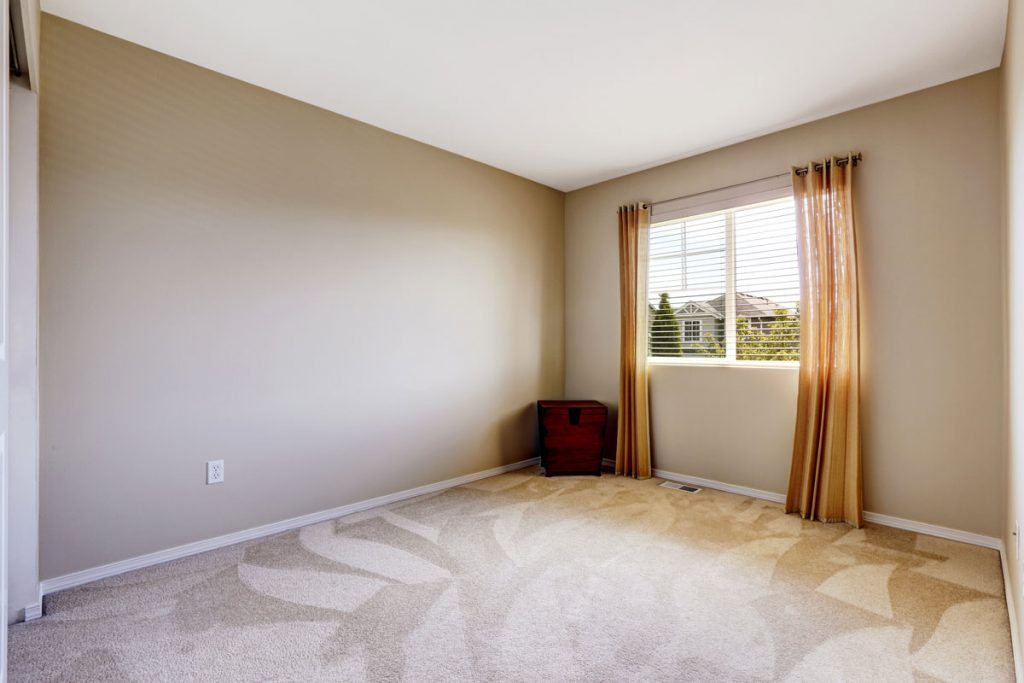
This is why simply completing abatement does not mean the home is safe. Without proper lead dust cleaning, the risk can remain long after the work is finished.
Why Is There Still Dust After Lead Abatement?
It is common for homeowners to wonder why there is still dust after lead abatement, especially when the work appears to be complete.
The main reason is that the abatement process itself disturbs painted surfaces. As materials are removed, repaired, or sealed, tiny particles are released and can spread beyond the immediate work area.
In many cases, this results in lead dust after abatement settling throughout the home. There are a few key factors that contribute to this:
- Work activity spreads dust into nearby rooms
- Fine particles remain airborne before settling
- Not all contractors include detailed lead dust cleaning
- Dust can continue to settle even after the job is finished
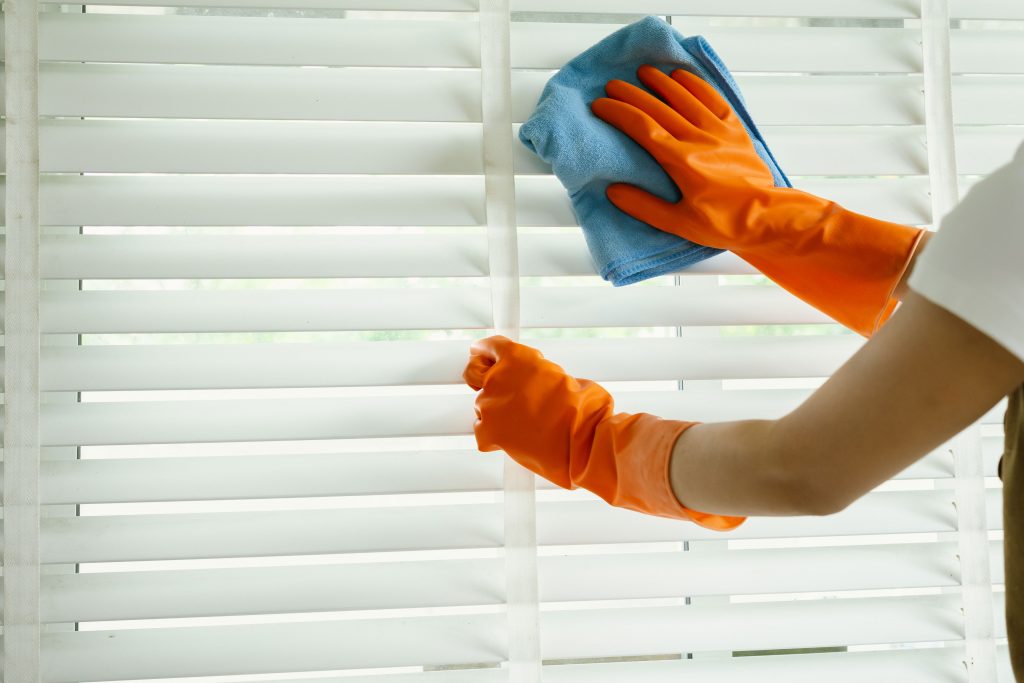
Because of this, it is not unusual to still find residue after the work is done. This is why cleaning after lead abatement is a critical final step before the home can be considered safe.
Do You Need Cleaning After Lead Abatement?
Yes, you should always plan for professional cleaning after lead abatement.
While the abatement process removes or seals the source of lead, it does not guarantee that all contamination has been eliminated. In most cases, fine particles remain behind, making lead paint removal cleanup a necessary next step.
Standard cleaning methods are not designed to handle this type of contamination. In fact, using regular vacuums or dry dusting can spread lead dust after abatement even further throughout the home.
This is where proper HEPA cleaning becomes essential.
HEPA-filtered equipment is specifically designed to capture microscopic particles and prevent them from becoming airborne again. Combined with detailed surface cleaning, this process helps remove contamination safely and thoroughly.
Without professional lead dust cleaning, it is difficult to ensure that the home is truly safe for re-occupancy.
Learn more about lead dust cleaning
Make Sure Your Home Is Fully Clean
Even after lead abatement, fine particles can remain throughout the home. Professional lead dust cleaning helps ensure all surfaces are properly cleaned and safe for everyday use.
How Lead Dust Is Properly Removed
Removing lead dust after abatement requires more than basic cleaning. It involves a detailed process designed to safely capture and remove microscopic particles from every surface in the home.
HEPA Vacuuming
The first step is thorough HEPA cleaning using certified equipment. Unlike standard vacuums, HEPA systems are designed to trap extremely fine particles instead of releasing them back into the air.
This is a critical part of effective lead dust cleanup, especially for floors, carpets, and other high-contact areas.
Wet Wiping & Surface Cleaning
After vacuuming, surfaces are cleaned using damp wiping methods and specialized solutions. This helps lift and remove particles that may still be clinging to surfaces.
This step is essential for proper lead dust cleaning, since dry dusting can easily spread contamination rather than remove it.
Detailed Cleaning of All Surfaces
A complete lead paint dust cleanup goes beyond obvious areas and includes:
- Window sills and frames
- Baseboards and trim
- Doors, fixtures, and ledges
- Hard-to-reach surfaces where dust can settle
These areas are often overlooked but can hold significant amounts of lead dust in home environments.
Air and Ventilation Considerations
One of the most overlooked aspects of cleaning after lead abatement is its impact on indoor air quality.
During and after the abatement process, fine particles can circulate through HVAC systems and remain suspended in the air before settling.
This is where broader services like post-renovation cleaning or air-focused cleaning solutions, can play an important role in improving overall air quality and reducing lingering dust throughout the home.

When Can You Move Back In After Lead Abatement?
A common question homeowners ask is, “When can you move back in after lead abatement?”
You should only return once proper cleaning has been completed after lead abatement and the home has been verified as safe.
Even if the space looks clean, lead dust after abatement can still be present on surfaces and in the air. Because these particles are often invisible, visual inspection alone is not enough.
In most cases, the final step is something called clearance testing. This process measures the amount of lead dust in home environments to ensure it falls below established safety limits.
Until this step is complete, it is difficult to confirm that the home is truly safe for occupancy.
Waiting until both lead dust cleaning and clearance testing are finished helps reduce risk and gives you confidence that the environment is safe for your family.
How to Know Your Home Is Actually Safe
If you are still wondering is your home safe after lead abatement, the best way to know is by confirming that a few key steps have been completed.
Here is a simple checklist to guide you:
- Professional lead dust cleaning services have been completed
- Thorough HEPA cleaning was performed on all surfaces
- No visible dust or debris remains
- Clearance testing confirms safe levels of lead dust in home environments
If all of these steps are in place, your home is much more likely to be safe for everyday living.
If any of these steps are missing, especially proper cleaning after lead abatement, it may be worth taking an extra step before moving forward.
What to Do After Lead Abatement
After abatement, ensuring your home is actually safe is most important. Lead dust can remain on surfaces and in the air unless properly addressed.
This is why thorough cleaning after lead abatement and professional lead dust cleanup is essential before returning the space to normal use.
If you are unsure whether your home has been fully cleaned or if you need help with lead dust cleaning services, it may be worth speaking with a professional. Contact us to request a quote based on your specific situation.
Ready to Make Your Home Safe Again?
After lead abatement, dust can still remain on surfaces and in the air. Professional cleaning after lead abatement and thorough lead dust cleanup help ensure your home is safe before returning to normal use.
Frequently Asked Questions
Is your home safe after lead abatement right away?
Not always. Even after the work is completed, lead dust after abatement can remain on surfaces and in the air. Proper cleaning after lead abatement and clearance testing is usually needed before the home can be considered safe.
What happens after lead abatement is done?
After the work is finished, contractors remove or seal hazardous materials, but the process often leaves behind fine particles. This is why many homeowners ask what happens after lead abatement is done, since additional lead dust cleanup is typically required before the home is safe.
What does lead dust look like after abatement?
In most cases, what does lead dust look like after abatement is difficult to answer because it is often invisible. It may appear as a very fine powder, but you usually cannot see it at all. This is why professional lead dust cleaning is important, since visual inspection alone is not reliable.
How to remove lead dust from home after abatement?
If you are wondering how to remove lead dust from home after abatement, the process involves HEPA cleaning, wet wiping, and detailed surface cleaning. Many professionals also use HEPA vacuum lead dust after abatement methods to safely capture fine particles without spreading contamination.
Do I need professional cleaning after lead abatement?
Yes. Professional lead dust cleaning services are recommended to ensure that all contamination is properly removed. Basic cleaning is usually not enough to handle lead paint dust cleanup safely.
How long does lead dust stay in a home?
Lead dust after abatement can remain in a home indefinitely if it is not properly removed. Because it settles on surfaces and can be redistributed through normal activity, thorough lead dust cleanup is necessary to eliminate the risk.
Yes. Professional lead dust cleaning services are recommended to ensure that all contamination is properly removed. Basic cleaning is usually not enough to handle lead paint dust cleanup safely.