
How Long Do Epoxy Floors Typically Last?
If you’re considering epoxy flooring for your basement, garage, warehouse, or commercial property, one of the first questions you’ll likely ask is how long do epoxy floors last.
A professionally installed epoxy floor can last 10 to 20 years or more, depending on the environment and how well it is installed and maintained. Floors in residential settings last longer than those in heavily commercial or industrial settings, but proper installation and ongoing care are equally important regardless of location.
The lifespan of an epoxy floor isn’t determined solely by age. Surface preparation, installation quality, moisture conditions, daily traffic, and routine cleaning all play an important role in epoxy floor lifespan and overall epoxy floor durability.
In this guide, we’ll explain what affects epoxy flooring’s lifespan, how long you can expect it to perform in different environments, and what you can do to help protect your investment.
What Determines How Long an Epoxy Floor Lasts?
While epoxy flooring is known for its longevity, not every installation will perform the same over time. Two epoxy floors installed in similar buildings can have very different lifespans depending on how they were installed, the condition of the concrete beneath them, and the environment they’re exposed to every day.
Quality of the Installation
A quality installation lays the foundation for a long-lasting epoxy floor. If the coating isn’t mixed correctly, applied under the right conditions, or given enough time to cure, problems like peeling, bubbling, or early wear can develop much sooner than expected. Even the best products can’t perform well if the installation process is rushed.
Surface Preparation
One of the biggest influences on epoxy floor lifespan happens before the coating is ever applied. The concrete needs to be properly prepared so the epoxy can bond to the surface. If dust, dirt, moisture, or old coatings are left behind, they can interfere with adhesion and reduce the coating’s long-term performance.
Daily Traffic and Use
How an epoxy floor is used directly affects how long it lasts. A basement that’s used for storage won’t experience the same wear as a warehouse with forklifts, rolling carts, or constant foot traffic. The more activity a floor sees each day, the more likely it is to develop scratches and signs of wear over time.
Moisture Conditions
Concrete naturally contains moisture, and excessive moisture can create problems if it isn’t addressed before installation. Evaluating moisture conditions before applying an epoxy coating helps reduce the risk of future adhesion issues.
Routine Cleaning and Maintenance
Regular maintenance is one of the easiest ways to protect epoxy floor durability. Dirt, sand, and other fine debris can slowly wear down the finish as people and equipment move across the surface. Keeping the floor clean and wiping up spills when they happen can go a long way toward preserving both its appearance and long-term performance.
Planning an Epoxy Floor After a Renovation?
A long-lasting epoxy floor starts with proper preparation and professional installation. Post Green Cleaning provides basement floor coating services, along with HEPA and post-construction cleaning, to help residential and commercial properties achieve durable, long-lasting results.
Why Proper Surface Preparation Matters Before Epoxy Installation.
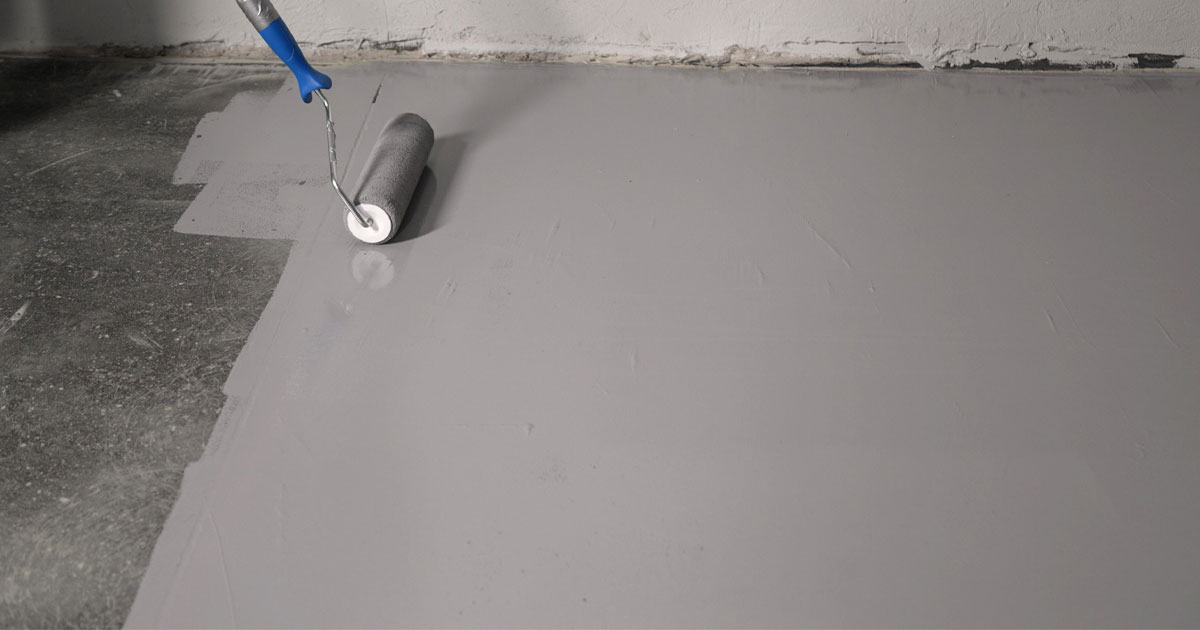
A successful epoxy installation starts long before the coating is mixed and applied. Preparing the concrete isn’t simply a matter of sweeping the floor. The surface needs to be clean, dry, and free of anything that could interfere with proper epoxy bonding.
Depending on the condition of the concrete, preparation may include removing old coatings, cleaning away oils or grease, repairing minor surface defects, and mechanically profiling the concrete. If a floor has recently been part of a renovation, fine drywall dust, concrete dust, and construction debris should also be removed before installation begins.
Skipping or rushing these steps can affect the coating’s adhesion to the concrete. Even a high-quality epoxy product may not perform as intended if it’s applied over a contaminated or improperly prepared surface. Taking the time to prepare the floor correctly helps support epoxy flooring durability and gives the coating the best chance of reaching its expected lifespan.

How Durable Is Epoxy Flooring?
If you’re wondering how durable is epoxy flooring, there’s a reason it’s used everywhere from commercial buildings and warehouses to basements and utility rooms. When it’s installed correctly, epoxy creates a hard, protective surface that holds up well under daily use and is much more resilient than unfinished concrete.
One of the biggest advantages of epoxy floor coating durability is its ability to withstand everyday wear. Foot traffic, rolling carts, equipment, and the occasional dropped tool are less likely to damage the surface than many other flooring options. The even finish also makes it easier to clean because dirt and debris have fewer places to collect.
Is epoxy flooring durable? Like any flooring material, epoxy has its limits. Dragging heavy equipment across the surface or years of neglect will eventually leave its mark. With normal use and routine maintenance, though, epoxy remains one of the more durable flooring options available for residential, commercial, and industrial spaces.
How to Help an Epoxy Floor Last Longer
An epoxy floor doesn’t require much maintenance, but it shouldn’t be ignored either. Dirt, grit, and everyday wear and tear gradually take a toll on any floor. A few simple habits can help keep the surface looking better and performing well for years.
- Sweep or vacuum often to remove dirt, sand, and other abrasive debris that can gradually wear down the surface.
- Clean spills promptly, especially oils, chemicals, and other substances that may stain or damage the finish if left to sit.
- Avoid dragging heavy equipment or furniture across the floor whenever possible to reduce scratches and surface damage.
- Inspect the floor periodically for chips, peeling, or other signs of wear so small issues can be addressed before they become larger problems.
- Use protective mats or pads beneath heavy equipment, workbenches, or frequently moved items.
Routine maintenance doesn’t have to be complicated. A little preventative care could make a noticeable difference over the years and help maximize how long does epoxy flooring last.
Professional Epoxy Floor Coating & HEPA Cleaning
Whether you’re installing a new epoxy floor or protecting one after a renovation, Post Green Cleaning offers basement floor coating services, professional HEPA cleaning, and post-construction cleaning throughout NYC. We help create cleaner, more durable spaces from the ground up.
Does Epoxy Flooring Require Special Cleaning?
One of the benefits of epoxy flooring is that it doesn’t require complicated maintenance. In most cases, regular sweeping, vacuuming, and occasional mopping with a manufacturer-approved cleaner are enough to keep the surface in good condition. Unlike unfinished concrete, epoxy creates a sealed surface that doesn’t trap dust and debris as easily.
Every day dirt is one thing, but construction debris is another. Fine drywall dust, concrete dust, and other abrasive particles can slowly wear on the finish if they aren’t removed after a renovation or construction project.
For buildings or homes that have recently undergone construction, remodeling, or restoration work, a more detailed cleaning may be beneficial before the space returns to normal use. Removing fine dust and debris from floors and surrounding surfaces creates a cleaner environment and helps protect the appearance of newly finished flooring.
Routine cleaning doesn’t need to be complicated but using the right methods and addressing construction dust before it spreads can help keep epoxy flooring looking its best for years to come.
Protect Newly Finished Floors After Construction
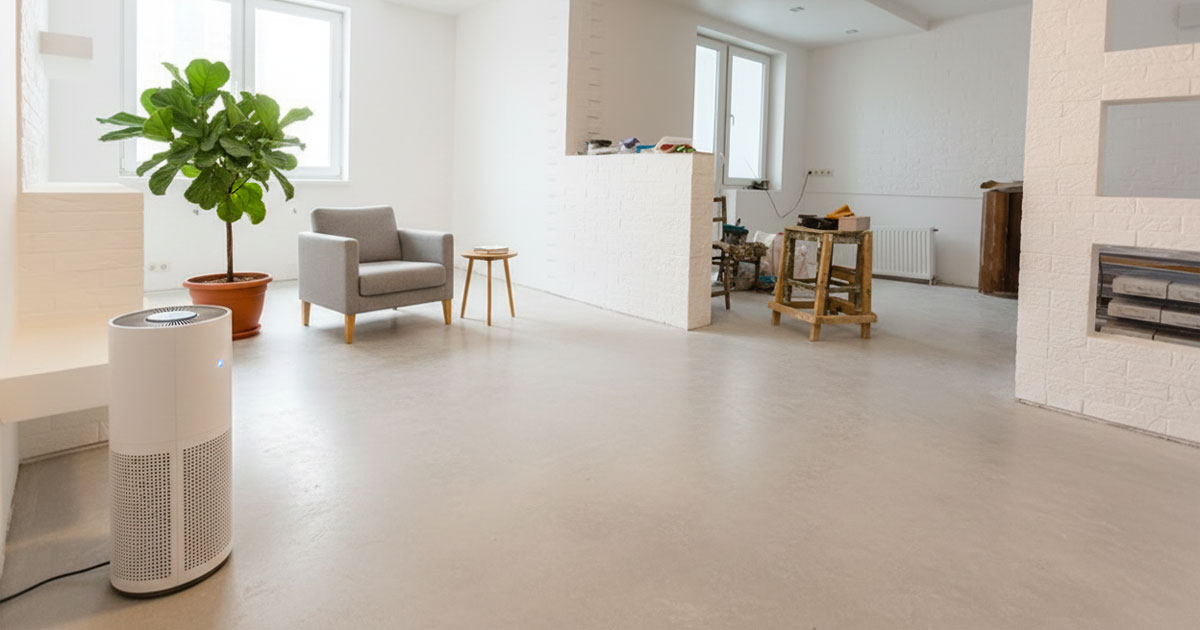
Construction projects leave behind more dust than people expect. Even after visible debris has been removed, fine drywall dust, concrete dust, and other particles often remain throughout the property. If they’re left behind, they can continue settling on newly finished surfaces and be tracked from room to room.
That’s where a detailed post-construction cleaning can make a difference.

At Post Green Cleaning, we use professional HEPA cleaning methods to remove lingering dust and help prepare homes and commercial properties for occupancy.
We also provide basement floor coating services for clients looking to improve the durability and appearance of concrete floors. If you’re wrapping up a renovation, repair, or restoration project, final cleaning helps protect the work already completed and creates a cleaner space ready for use.
Frequently Asked Questions
How long do epoxy floors last?
Most professionally installed epoxy floors will last from 10 to 20 years. The exact lifespan depends on installation quality, traffic, maintenance, and environmental conditions. Residential floors often last longer than those used in heavy commercial or industrial settings.
How long do epoxy garage floors last?
If you are wondering how long does epoxy garage floor last, most residential epoxy garage floors last 15 to 20 years or more when they’re properly installed and maintained. Garages that double as workshops or experience heavy daily use may require maintenance sooner.
How long does epoxy floor take to dry / cure?
Most epoxy floors can be walked on within 24 hours, but full curing typically takes about 5 to 7 days. Always follow the manufacturer’s recommendations before placing furniture, equipment, or vehicles back on the surface.
How long before you can walk on epoxy floor?
In many cases, light foot traffic is acceptable after about 24 hours. Waiting until the floor has fully cured before returning it to normal use helps achieve the best long-term results.
What does an epoxy floor look like after 5 years?
A well-maintained epoxy floor should still have a clean, professional appearance after five years. Some minor scratches or a slight loss of gloss may occur in high-traffic areas, but significant wear is less common when the floor has been properly installed and cared for.
Are epoxy floors durable?
Yes. Are epoxy floors durable enough for commercial and residential use? In most cases, they are. Epoxy flooring is widely used because it resists everyday wear, chemicals, and abrasion better than many unfinished concrete surfaces.
Are epoxy floors waterproof?
Epoxy creates a water-resistant, non-porous surface that helps protect the concrete beneath it. However, it’s important to remember that moisture issues within the concrete slab should still be addressed before installation.
Are epoxy floors worth it?
For many property owners, epoxy flooring offers long-term value because it’s durable, relatively easy to maintain, and improves the appearance of concrete floors. The overall value depends on choosing the right product and having it installed correctly.
Can I put new epoxy over old epoxy?
Sometimes, yes. If the existing coating is still in good condition, a new layer may be applied after proper cleaning and surface preparation. Floors with significant damage or adhesion problems often require additional preparation before recoating.
Are epoxy floors high maintenance?
No. Epoxy floors are generally considered low maintenance. Regular sweeping, occasional mopping, and cleaning spills promptly are usually enough to keep the surface looking its best.
Basement Floor Coating Services in NYC
From professional epoxy floor coating solutions to HEPA cleaning and post-construction cleanup, Post Green Cleaning helps residential and commercial property owners throughout New York City complete their projects with clean, durable, and ready-to-use spaces.