
What Is an Air Scrubber?
What Does an Air Scrubber Remove?
- Construction dust
- Drywall dust
- Wood dust
- Demolition debris
- Mold spores during remediation
- Allergens and other fine particles

How Does a HEPA Air Scrubber Work?
Improve Indoor Air Quality After Your Project
When Do You Need a HEPA Air Scrubber?
Common Projects That Benefit From HEPA Air Scrubbing
Post-construction cleaning
Home remodeling
Water damage restoration
Air scrubber for mold
Lead dust cleaning
Fire and smoke restoration
Why Negative Air Pressure Matters During Cleanup

Air Scrubber vs Air Purifier: What's the Difference?
Air Scrubber
- Portable equipment meant to be used temporarily
- Designed for construction and restoration projects
- High airflow for larger amounts of airborne dust
- Can be used with containment and negative air pressure
- Commonly used by restoration and post-construction professionals
Air Purifier
- Designed for everyday residential use at home or in shared spaces
- Lower airflow for routine indoor air quality
- Typically purchased to stay in one room or location
- Does not create negative air pressure in your room
- Commonly used by homeowners for ongoing air filtration

Should You Choose an Air Scrubber Rental or Hire a Professional?
Ready for a Cleaner, Move-In Ready Space?
HEPA Air Scrubbing Is Only One Part of the Cleanup Process

Frequently Asked Questions
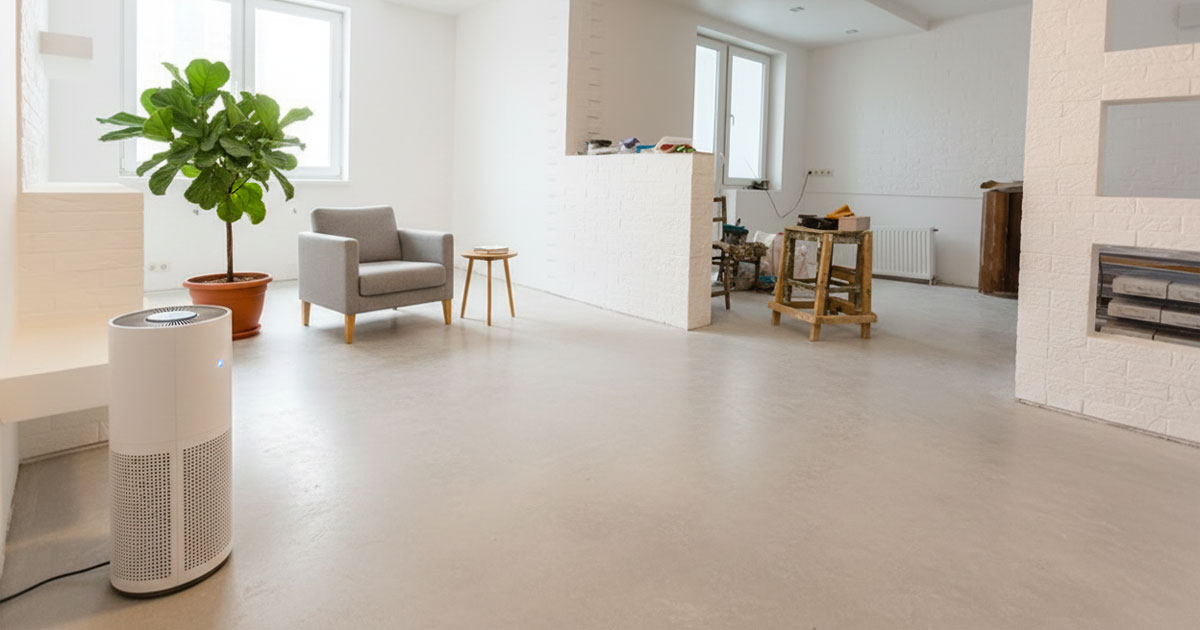
What Is an Air Scrubber?
You’ll commonly see these machines on renovation, demolition, water damage, and restoration projects because those environments produce much more airborne dust than a standard household air purifier is designed to handle.
How Does an Air Scrubber Work?
The longer the machine runs, the more opportunities it has to remove dust that would otherwise stay suspended in the air or settle back onto freshly cleaned surfaces.
Is an Air Scrubber Worth It?
For smaller repairs, the extra equipment may not be necessary. Larger remodeling, demolition, or remediation projects are where professional air scrubbing usually provides the greatest benefit.
What Is a HEPA Air Scrubber?
Because these machines are designed for demanding environments, they can continuously filter large volumes of air while construction or remediation work is taking place.
Is an Air Scrubber the Same as an Air Purifier?
Both filter the air, but professional air scrubbers typically move much more air and are intended for temporary use during cleanup projects.
How Long Should You Run an Air Scrubber?
Many contractors leave the machines operating throughout the project and continue using them during the final cleaning to help capture any remaining dust before the space is turned over.
Do I Need an Air Scrubber?
If you’re noticing dust settling again shortly after cleaning, that’s often a sign that fine particles are still circulating through the air rather than being removed.
What Is the Difference Between a Negative Air Machine vs Air Scrubber?
When the equipment filters and recirculates air in a room, it functions as an air scrubber. When filtered air is exhausted outside a contained work area to create negative air pressure, it’s being used as a negative air machine.
Can an Air Scrubber Help With Mold?
Air scrubbing is only one part of the remediation process, though. Proper containment, removal of damaged materials, and detailed cleaning are all important steps in addressing mold safely.
Can a Whole-House Air Scrubber Replace a Professional Air Scrubber?
Professional air scrubbers are temporary, high-capacity machines that can move much more air in a shorter period of time. That’s why they’re commonly used on active job sites before the final cleaning is complete.
Can an Air Scrubber Help With Wildfire Smoke?
While that technology has several applications, Post Green Cleaning primarily uses HEPA air scrubbing during post-construction and post-remediation cleaning, where controlling airborne dust is an important part of the cleanup process.