
HEPA Filters, Lead Dust, and Indoor Air Quality
What Is Lead Dust and Why Is It Dangerous?
Do HEPA Filters Remove Lead Dust?
Professionals will use:
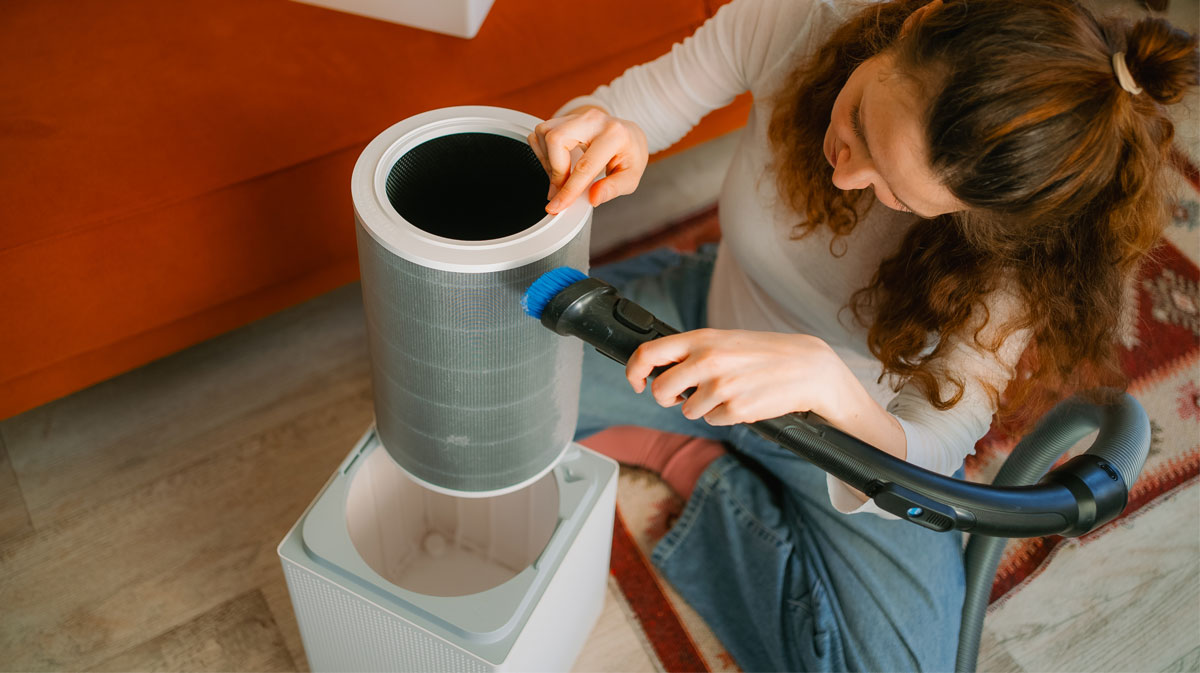
- HEPA vacuums
- HEPA air scrubbers
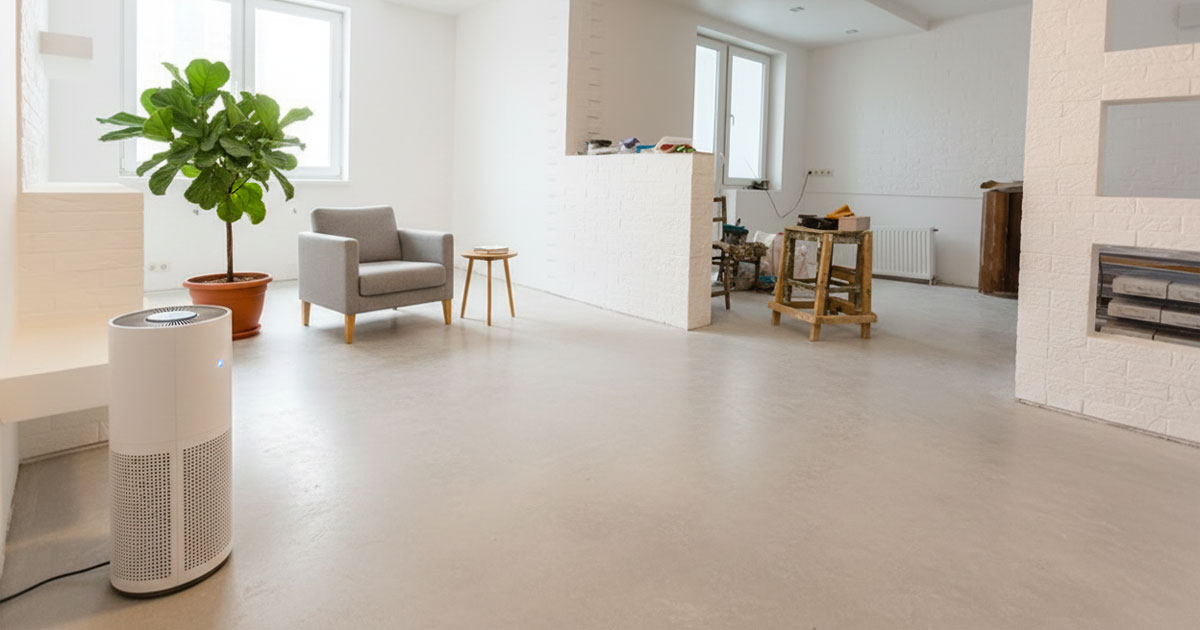
- HEPA air purifiers
- Negative air machines with HEPA filtration

Concerned About Lead Dust and Indoor Air Quality?
Can Air Purifiers Remove Lead Dust From the Air?
Air purifiers are most effective when used alongside:
- HEPA vacuuming
- Wet wiping methods
- Containment barriers
- Proper ventilation control

HEPA Vacuums vs HEPA Air Purifiers for Lead Dust

HEPA Vacuums
HEPA Air Purifiers
What HEPA Filters Cannot Do
Common places that dust can remain inside:
- Carpet fibers
- Upholstery
- HVAC systems
- Cracks and crevices
- Porous materials
Professionals will follow a process that includes:
- HEPA vacuuming
- Wet wiping with lead-safe cleaning solutions
- Detailed cleaning of surfaces
- Final dust inspection or clearance testing
Concerned About Lead Dust After Renovation?
How Long Does Lead Dust Stay in the Air?
What Is the Safest Way to Remove Lead Dust?
Instead, professionals typically use:
- HEPA vacuuming
- Damp wiping methods
- EPA-approved cleaning products
- Controlled disposal procedures
- Detailed cleaning checklists
If you recently completed lead abatement or renovation work and are unsure whether your property is fully safe for occupancy, you can also read our article Is Your Home Safe After Lead Abatement?
When to Hire a Professional Lead Dust Cleaning Company
Still Concerned About Lead Dust in Your Home?
Frequently Asked Questions
Will a HEPA filter capture lead dust?
However, HEPA filtration works best when combined with thorough physical cleaning. While a HEPA air purifier can help improve indoor air quality and reduce airborne particles, settled lead dust must still be safely removed from floors, walls, furniture, and other surfaces throughout the property.
What do HEPA filters not remove?
This is why professional lead dust cleaning often includes HEPA vacuuming, damp wiping, and detailed surface cleaning, in addition to air filtration. Trusting entirely on your air purifier will likely not fully address lead dust after renovation or abatement work.
How long does lead dust stay in the air?
Lead dust can remain airborne for varying lengths of time depending on airflow, ventilation, HVAC use, and the amount of dust generated during construction or paint removal. Fine particles can continue to circulate through nearby rooms before settling onto surfaces throughout the property.
Even after all the dust settles, contamination can still affect indoor air quality and create exposure risks. This is one reason many homeowners schedule professional lead dust cleaning or indoor air quality testing after renovation projects in older homes.
How can you tell if lead dust is an issue after home renovation?
According to the CDC, lead exposure can still occur even when dust is not visible, which is why proper cleanup procedures are so important after renovation work. Common warning signs include heavy construction dust, recurring fine dust near vents or windows, or renovation work involving older painted surfaces.
What is the best vacuum to clean up lead dust?
Most everyday regular household vacuums are not designed to handle fine lead dust particles. In some cases, they can push contamination back into the air instead of trapping it, especially during larger renovation or abatement cleanup projects.
Can you vacuum up lead dust with a regular vacuum?
If you suspect lead contamination, be safe, avoid disturbing the area until proper HEPA-filtered equipment and lead-safe cleaning procedures are available. Professional cleaning companies typically use sealed HEPA vacuums designed to contain hazardous particles.
What removes lead dust?
Most professional cleanup projects will involve HEPA vacuuming and damp wiping. It will also include careful cleaning of surfaces where dust tends to accumulate. In larger projects or occupied homes, multiple rounds of cleaning may be needed before the space is fully ready for normal use again.
What is the safest way to remove lead dust from a surface?
Professional lead dust cleaning companies often use detailed cleaning checklists and containment procedures to safely remove settled dust from floors, walls, trim, furniture, and HVAC systems after renovation or abatement work.
How quickly does lead dust settle?
Even after any visible dust has disappeared, the contamination can persist on floors, vents, furniture, trim, and other frequently touched areas throughout the home. That is one reason professional HEPA cleaning and detailed wiping methods are often recommended after major renovation or lead abatement projects.
Do air purifiers get rid of lead dust?
HEPA air purifiers can help reduce airborne lead particles and improve indoor air quality during or after renovation work. They are especially useful while dust is actively circulating through the property.
Air purifiers should not be viewed as a complete solution for lead contamination. Lead dust eventually settles on surfaces throughout the home, which is why professional HEPA cleaning and detailed surface cleaning are still important after lead abatement or construction projects.