
Proper Cleaning After Renovation Matters
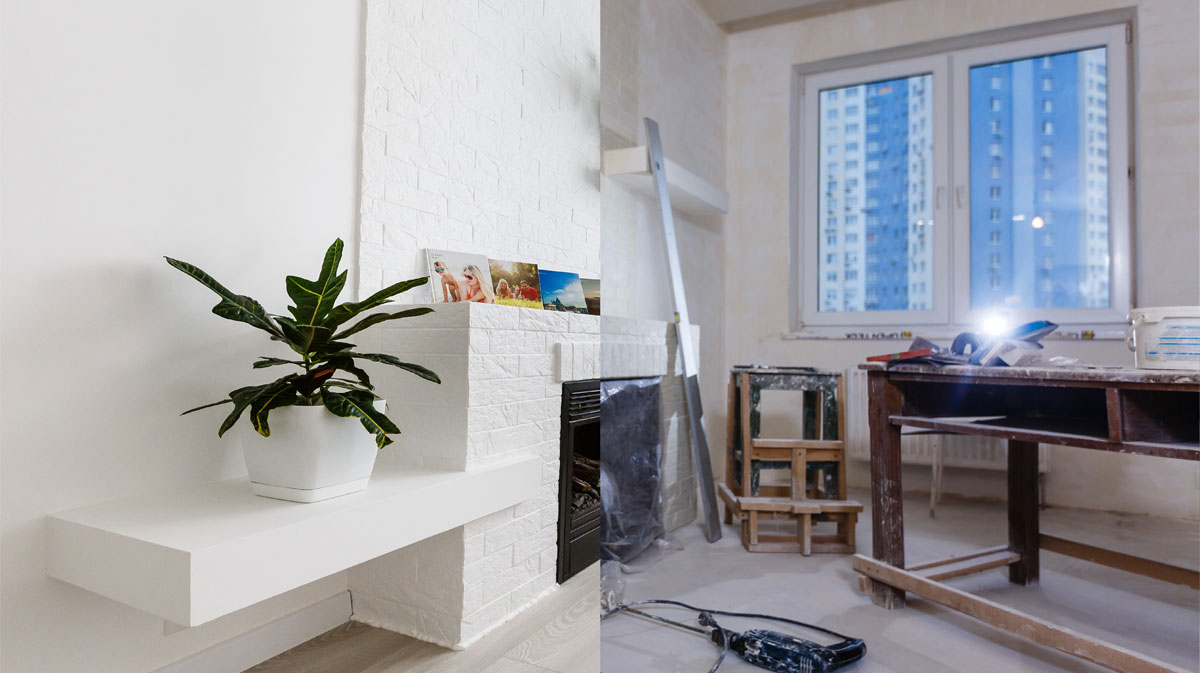
Renovation projects can completely transform your home’s look and feel. Whether you’ve remodeled a kitchen, updated a bathroom, or completed a full home renovation, the result feels worth the effort. Unfortunately, one major step still remains: cleaning after renovation.
Construction and remodeling projects leave far more than visible debris. Fine drywall dust, sawdust, adhesive residue, and microscopic particles often spread throughout the home, even into rooms untouched by the renovation itself. Without proper cleaning, this dust can continue circulating in your air for weeks, negatively affecting your indoor air quality.
While some homeowners attempt a DIY cleanup, many quickly realize that post-renovation cleanup is more time-consuming and detailed than expected. Professional post-renovation cleanup helps ensure your newly renovated space is truly clean, healthy, and move-in ready.
In this guide, we’ll explain the best ways to handle after renovation cleaning, what areas are commonly overlooked, and when it makes sense to hire professionals.
Why Cleaning After Renovation Is So Important
After every renovation, dust and debris settle everywhere. Even small jobs generate airborne particles that spread through vents, hallways, closets, and furniture.
One reason construction dust clean-up is so important is that renovation dust is much finer than normal household dust. Drywall dust, for example, can easily become airborne again after being disturbed. This means surfaces may look clean initially, but still contain lingering dust particles.
Proper cleaning after remodeling also helps:
- Improve indoor air quality
- Protect new flooring and finishes
- Reduce allergens and respiratory irritation
- Remove potentially harmful particles
- Make the home truly livable again
Many homeowners underestimate how detailed after renovation cleaning actually is. Standard vacuuming and surface wiping are rarely enough to fully eliminate construction residue.
Professionals use HEPA vacuums, microfiber systems, and specialized techniques to safely and thoroughly remove dust.
What Gets Left Behind After Remodeling?
Understanding what remains after construction can help explain why cleaning post-renovation requires such a thorough approach.
Drywall dust is one of the biggest challenges during post-renovation clean-up. The particles are extremely fine and easily settle into:
- Air vents
- Baseboards
- Window tracks
- Furniture
- Upholstery
- Ceiling fans
Because drywall dust continues to circulate in the air, many homeowners notice surfaces getting dusty again shortly after cleaning.
Woodworking projects often leave behind layers of sawdust in unexpected areas. Cabinets, closets, shelving, and trim work frequently collect hidden debris that standard cleaning methods can miss.
This is especially common during kitchen remodels and flooring installations.
Another major part of cleaning after renovation involves removing:
- Paint drips
- Tape residue
- Caulk smears
- Adhesives
- Protective film leftovers
These materials often require careful cleaning methods to avoid damaging newly finished surfaces.
One of the most overlooked parts of construction dust clean up is cleaning inside areas people rarely check, including:
- Cabinet interiors
- Closet shelving
- Door frames
- HVAC vents
- Light fixtures
- Behind appliances
Fine construction particles can continue circulating through the home long after a project is completed. In some cases, homeowners choose professional airborne pollutant removal services to help address lingering dust and improve overall air quality after renovation work.
Professional cleaners focus heavily on these detailed areas because hidden dust often becomes a long-term issue after renovations.
Step-by-Step Cleaning After Renovation Checklist
Proper clean-up after renovation requires a systematic process. Skipping steps or cleaning in the wrong order often causes dust to spread repeatedly throughout the home.
1. Ventilate the Space
Open windows and improve airflow before beginning any cleaning. This helps remove airborne particles and reduces lingering odors from paint, adhesives, and construction materials.
2. Replace HVAC Filters
One of the first steps after renovation cleaning should always be replacing HVAC filters. Construction dust commonly enters ventilation systems and continues circulating long after the renovation is complete. In larger remodels, filters may need replacing more than once.
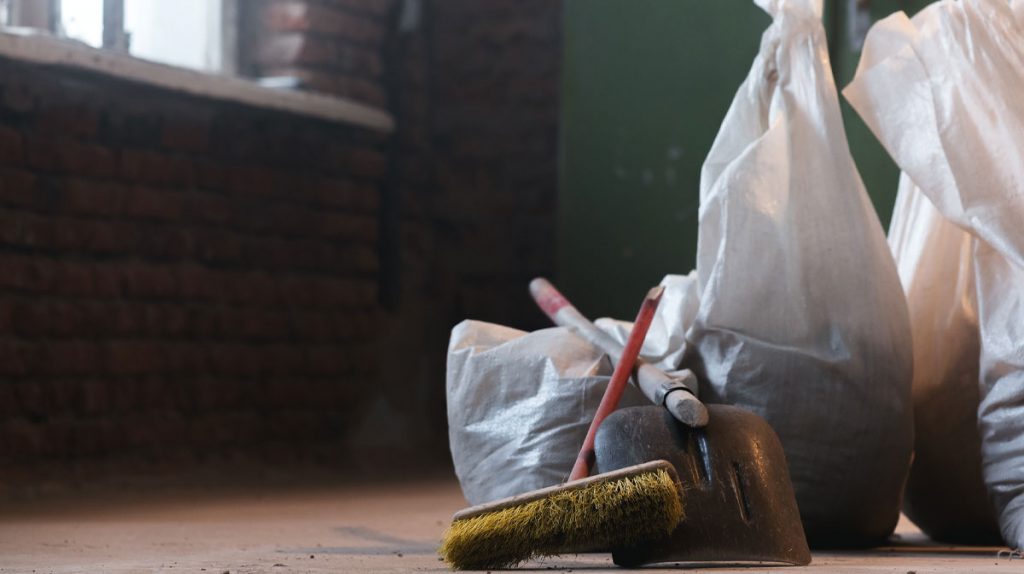
3. Remove Large Debris First
Before detailed cleaning begins, remove:
- Packaging materials
- Nails and screws
- Wood scraps
- Protective coverings
- Contractor debris
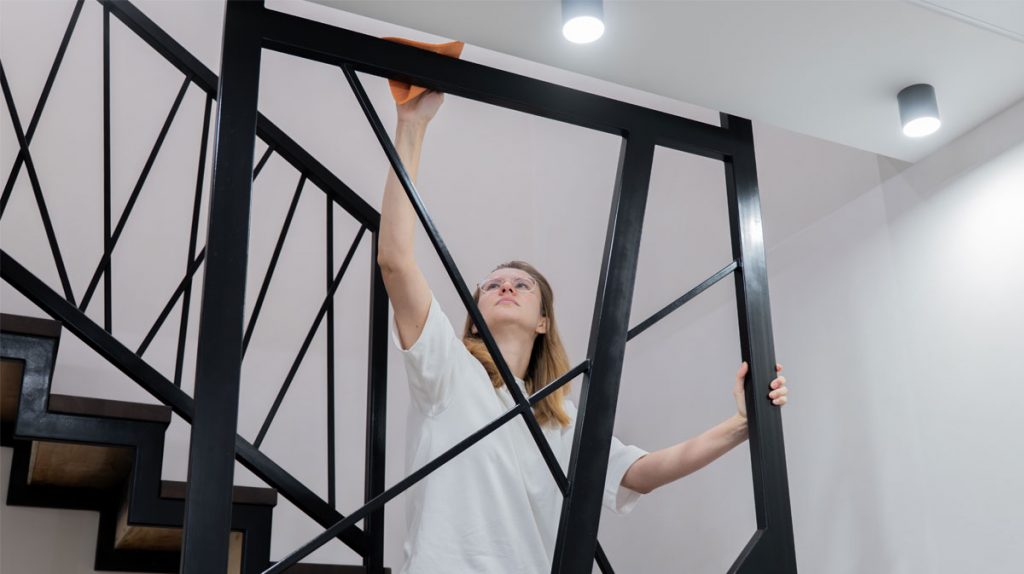
4. Dust From Top to Bottom
Always work from the top down:
- Ceilings & Fans
- Light fixtures
- Walls & Shelves
- Baseboards
- Floors
5. Use HEPA Vacuum Systems
The best way to handle construction dust clean-up is with HEPA-filter vacuums. Standard vacuums often blow fine particles back into the air instead of fully trapping them. Professional cleaners typically use commercial-grade filtration systems specifically designed for post-construction cleaning.
6. Wet Wipe All Surfaces
Dry dusting usually spreads particles around rather than removing them. Instead, microfiber cloths and damp wiping methods help capture dust more effectively. This step often needs to be repeated multiple times during larger renovation projects.
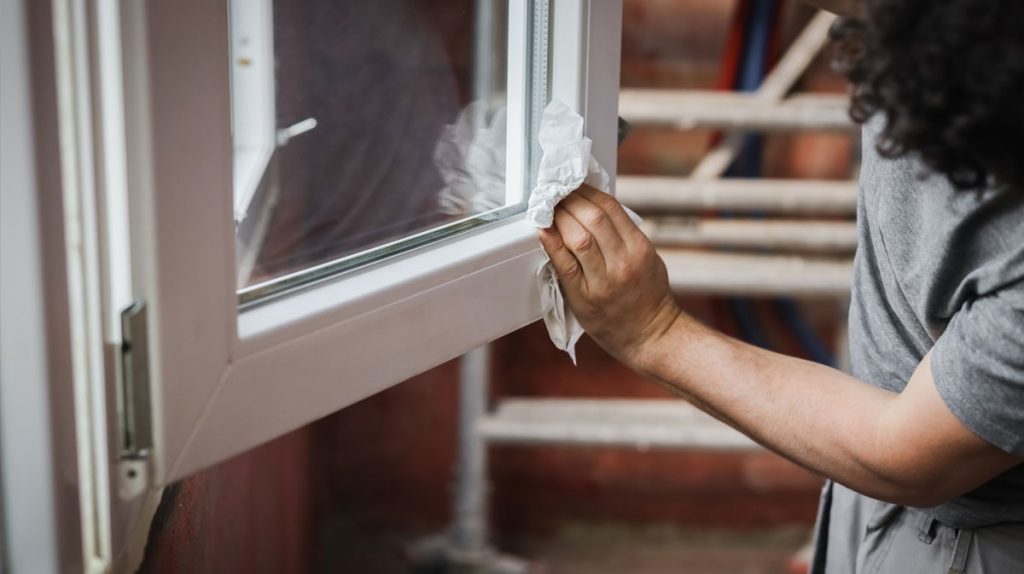
7. Clean Windows & Tracks
Construction dust commonly settles inside:
- Window tracks
- Screens
- Blinds
- Glass surfaces
These details make a major difference in how clean the final space feels.
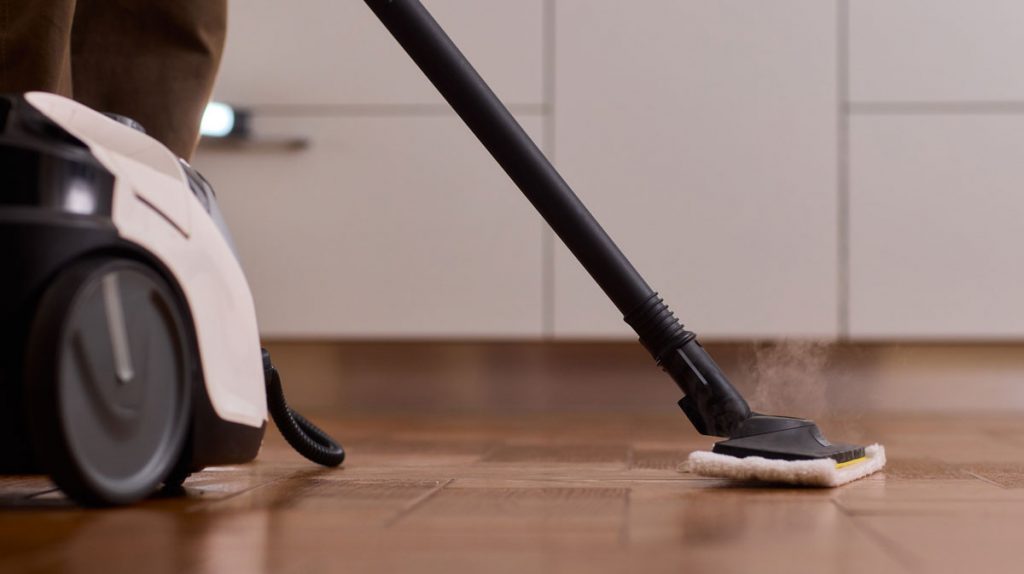
8. Deep Clean Floors
Proper post renovation clean up often includes:
- HEPA vacuuming
- Mopping & edge cleaning
- Grout cleaning
- Dust removal from corners and trim
Different flooring materials require different cleaning methods to avoid damage.
9. Sanitize Kitchens & Bathrooms
After renovations, kitchens and bathrooms should receive full sanitation cleaning before use. This includes thoroughly cleaning countertops, cabinet interiors, fixtures, appliances, sinks, toilets, and tile surfaces where dust and construction residue commonly settle.
Many homeowners choose professional cleaners at this stage because the level of detail involved in post-renovation cleanup can quickly become overwhelming after an already stressful remodeling project.
FINISH YOUR RENOVATION THE RIGHT WAY.
Remove lingering construction dust, debris, and residue with detailed post-renovation cleaning. We’ll help leave your newly remodeled home feeling fresh, clean, and ready to enjoy.
The Best Way to Clean Dust After Renovation
A common question after renovation is: “What is the best way to clean dust after renovation?”
The answer relies on proper tools and techniques.
Avoid Dry Dusting
Traditional feather dusters and dry cloths can make the problem worse. Fine construction particles become airborne immediately and spread throughout the home again.
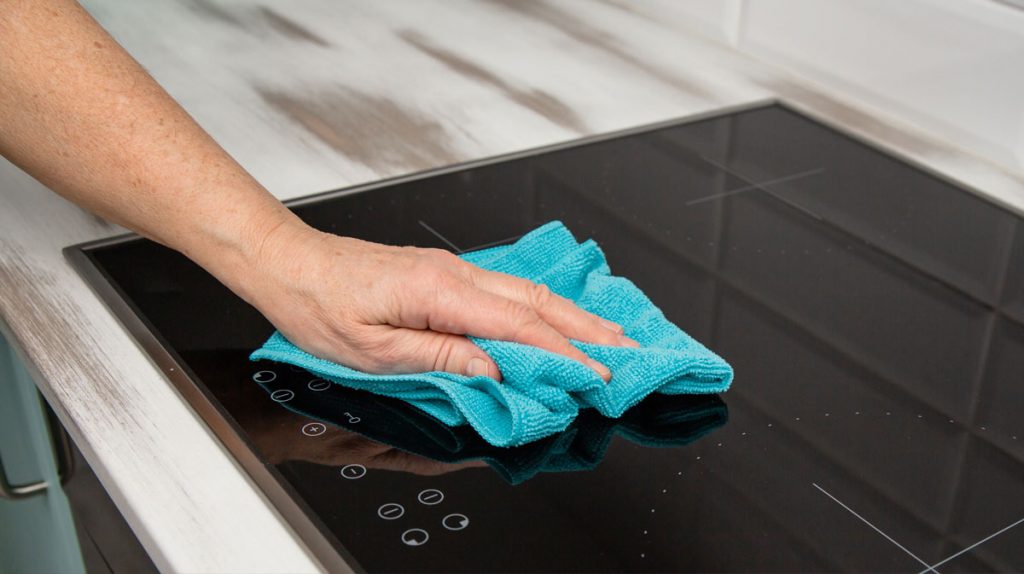
Use Microfiber Cloths
Microfiber traps dust better than paper towels or cotton cloths.
Professional cleaners rely heavily on microfiber systems because they:
- Reduce airborne particles
- Capture finer debris
- Protect delicate surfaces
- Improve cleaning efficiency
Use HEPA Filtration
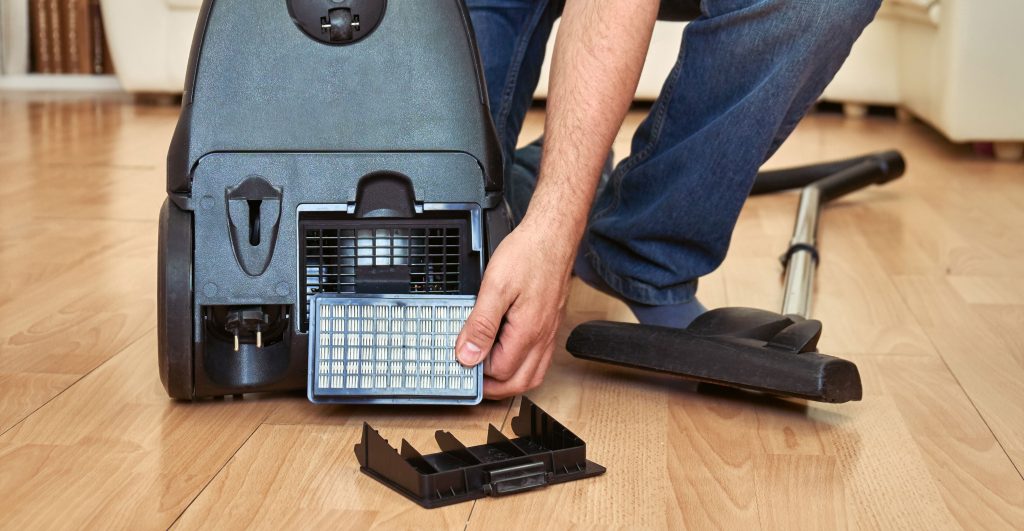
HEPA filtration is critical after renovation cleaning because it traps microscopic particles instead of recirculating them. Proper filtration and dust removal can also help improve indoor air quality after major remodeling projects.
This is especially important for households with:
- Pets
- Children
- Allergies
- Asthma sensitivities
Expect Multiple Cleaning Passes
One important reality about cleaning post-renovation is that dust rarely disappears after one cleaning session. Dust often settles for days after construction, so several rounds of cleaning are needed for the best results.
Dust often settles for days after construction, so several rounds of cleaning are needed for the best results.
Should You Hire a Professional Cleaning Service After Renovation?
For small projects, some homeowners may choose to do the cleaning themselves. But for larger remodels, hiring professionals often saves significant time and frustration.
Professional after-renovation cleaning services provide:
- Commercial-grade HEPA vacuums
- Proper dust containment methods
- Faster cleanup
- Detailed surface cleaning
- Better indoor air quality results
Many homeowners are surprised by how physically exhausting construction dust cleanup becomes. Renovation dust reaches nearly every surface in the home, and thorough cleaning can take many hours or even several days.
For larger remodeling projects, professional cleaning after renovation can save time, reduce lingering dust, and help protect newly finished surfaces from damage caused by improper cleaning methods.
Professional post-construction cleaning services can help ensure your home feels fully cleaned, refreshed, and ready to enjoy after a remodeling project.
At Post Green Cleaning, we focus on detailed, eco-friendly cleaning methods that leave homes truly fresh and move-in-ready after renovation projects. Learn more about our cleaning approach and how we help homeowners maintain healthier indoor spaces after construction and remodeling work.
Areas Most People Forget to Clean After Renovation
Even careful DIY cleaning often misses important areas where dust continues accumulating.
The most overlooked areas during cleaning after renovation include:
- Air vents
- Ceiling fans
- Door frames
- Closet shelves
- Cabinet tops
- Window tracks
- Light fixtures
- Behind appliances
- Baseboards
- Under furniture
Missing these hidden areas is one reason homeowners often continue noticing dust weeks after construction ends.
Professional cleaners use systematic checklists to ensure these detailed areas receive proper attention.
READY TO FINISH YOUR RENOVATION WITH A PROFESSIONAL CLEANING?
Fine construction dust can settle throughout your home long after remodeling is complete. Our post-renovation cleaning services help remove lingering debris so your space feels clean, healthy, and truly move-in ready.
Frequently Asked Questions
How long does renovation dust take to settle?
Fine construction dust may continue settling for several days or even weeks after a project ends, especially if HVAC systems continue circulating particles throughout the home. Larger remodeling projects often create fine drywall dust that repeatedly settles on surfaces after cleaning.
How do you get rid of dust in your house after remodeling?
The best method combines HEPA vacuuming, damp microfiber cleaning, air filtration, and multiple cleaning passes. Thorough cleaning after remodeling also includes cleaning vents, baseboards, window tracks, and other hidden areas where fine construction particles collect.
Is it necessary to deep clean after renovation?
Yes. Standard cleaning methods are often insufficient for effective post-renovation cleanup, as fine dust can spread throughout the home. Many homeowners choose professional deep-cleaning services after major renovations to ensure their homes are fully cleaned and safe to enjoy again.
How do you clean up after remodeling?
Proper cleanup after remodeling usually starts with removing large debris and replacing HVAC filters before detailed cleaning begins. Most homeowners then use HEPA vacuuming, damp microfiber wiping, and multiple rounds of dust removal to clean surfaces throughout the home. Thorough cleaning after remodeling should also include vents, baseboards, window tracks, cabinets, and other hidden areas where fine construction dust commonly settles.
What happens if you don’t clean properly after construction?
Leftover construction dust can affect indoor air quality, damage surfaces, and continue circulating through your HVAC system. Fine particles may also settle into furniture, flooring, and fabrics if they are not properly removed.
Should I hire a professional cleaning service after renovation?
For major remodels or whole-home renovations, professional cleaners often provide safer, more thorough, and more efficient results. Professional after-renovation cleaning services also help reduce airborne dust and protect newly finished surfaces from damage caused by improper cleaning methods.
What is included in post-renovation cleaning?
Professional post-renovation cleaning typically includes detailed dust removal, HEPA vacuuming, surface wiping, floor cleaning, window cleaning, vent cleaning, and sanitation of kitchens and bathrooms. Many services also focus on hidden areas where construction dust commonly accumulates.
Yes. Professional lead dust cleaning services are recommended to ensure that all contamination is properly removed. Basic cleaning is usually not enough to handle lead paint dust cleanup safely.